
Postwar Gardena Homes and Their Original 1940s Plumbing
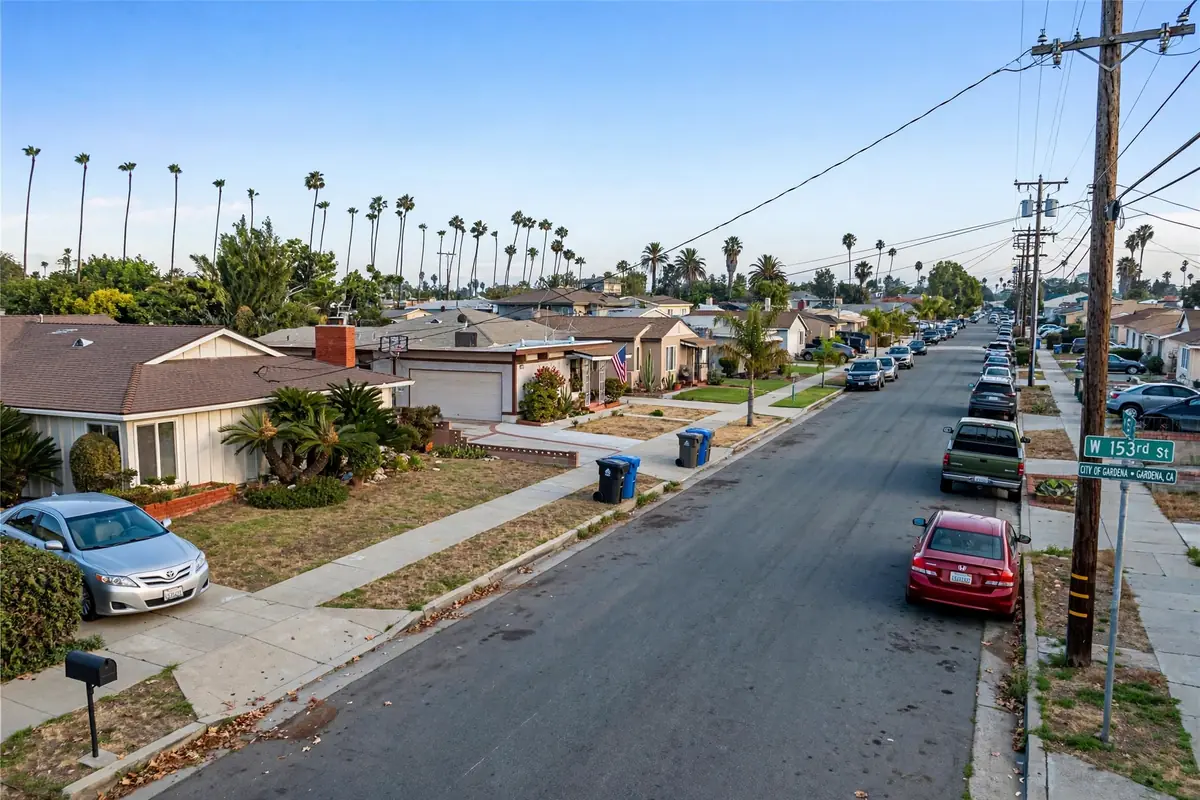
Gardena grew fast after the war, filling with small single story homes built quickly for returning families. Builders plumbed those houses with galvanized steel supply lines and cast iron drains, the standard materials of the day. In a surprising number of Gardena homes, especially those that have stayed in the same family, that original plumbing is still in place.
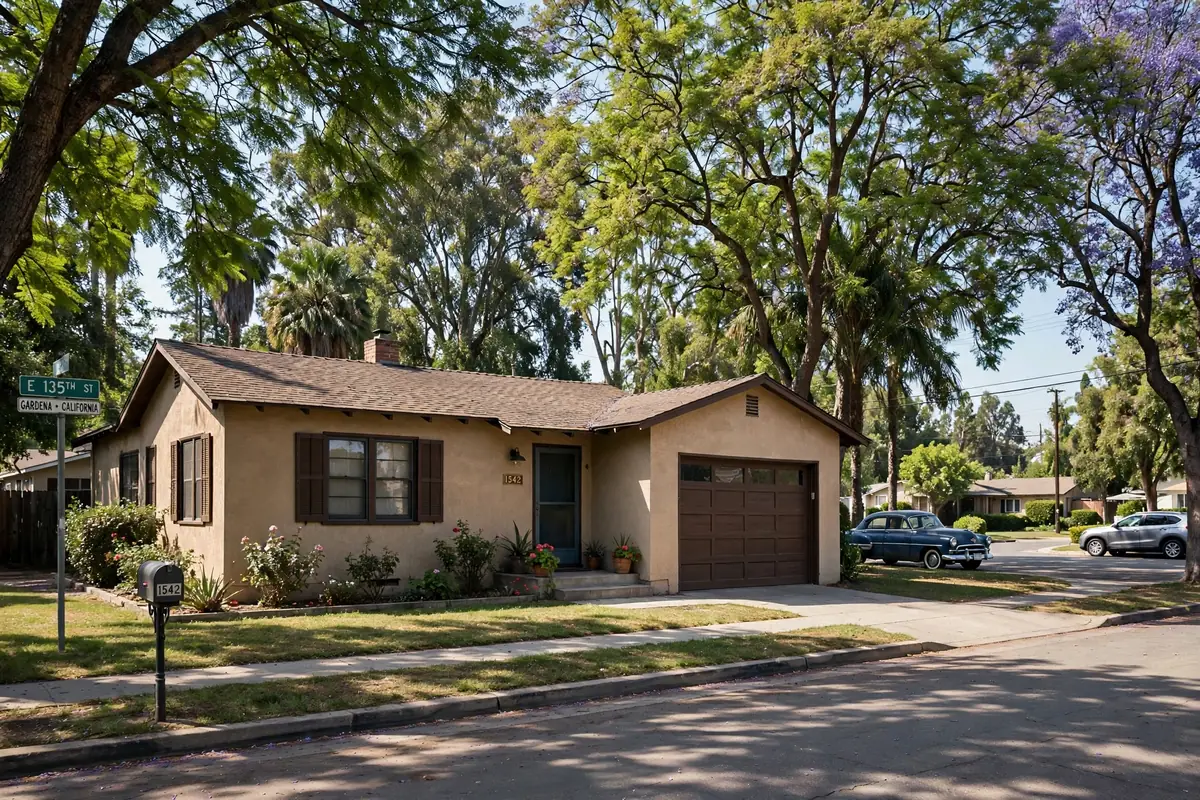
Original 1940s pipe is now far beyond the lifespan its makers expected. Galvanized lines corrode inward, narrowing until water pressure fades and rust flakes loose. Cast iron drains rust along the bottom of the pipe, where water sits, until the channel thins and cracks. Both materials fail gradually, then all at once.
That history shapes every Gardena call. We assume original pipe until we see otherwise, and we inspect exposed sections in garages, laundry areas, and crawl spaces to judge how far corrosion has spread. The goal is an honest picture of your system, not just a patch on the spot that happened to burst today.
Rowley Park, Mas Fukai Park, and a Deep Gardena Valley History
Gardena carries a rich history as the heart of the Gardena Valley Japanese community, with generations of families, nurseries, and businesses shaping the city long before the postwar tracts arrived. Neighborhood life still centers on familiar ground: games and gatherings at Rowley Park, the fields at Mas Fukai Park, and the busy commercial strips along Redondo Beach Boulevard.
That corridor is also where the Hustler Casino and Larry Flynt Lucky Lady casino draw visitors, a reminder that Gardena mixes quiet residential streets with regional attractions. A few blocks off the boulevards, though, the city is porch fronts, small lots, and homes that have housed the same families for decades.
Long tenure in a home changes the plumbing story. Repairs layer over repairs, galvanized sections meet copper additions from a kitchen remodel, and nobody remembers exactly what was done in 1978. When we open a wall in Gardena, we document what we find so the home finally has a clear record of its own pipes.
Failures We Find Behind Gardena Walls and Under Floors
The most common Gardena failure is the galvanized pinhole: a tiny leak inside a wall that stains paint and softens drywall before anyone realizes water is escaping. By the time the spot shows, the surrounding pipe is usually thin for several feet in each direction, which is why a small patch rarely holds for long in these systems.
Under the floor, cast iron drains develop cracks along their length as decades of corrosion work through the pipe bottom. Wastewater escapes into the soil, and the first signs are often odor, slow drains throughout the house, or damp ground near the foundation. A camera inspection through a cleanout confirms the condition without digging first.
Fixture valves cause their share of emergencies too. Original angle stops and gate valves in Gardena homes seize with age, and a valve that will not close turns a simple faucet repair into a whole house shutoff. Replacing tired valves during other work is one of the simplest ways to prevent the next urgent call.
Mineral Buildup and Aging Joints in Gardena Water Lines
Gardena water leaves mineral scale wherever it flows, and in small diameter galvanized lines that scale combines with rust to choke the pipe from inside. Showers lose force, fill valves run long, and water heaters collect sediment that rumbles and shortens their working life. The buildup is slow, which is why homeowners adapt to it until a repair restores real pressure.
Joints are the other weak point. Threaded galvanized joints were sealed by pipe walls that have been thinning for decades, and every pressure cycle works those threads. When a Gardena line bursts, it most often lets go at or near a fitting, an elbow buried in a wall, or a union behind the water heater.
Inside a Gardena Service Visit, Step by Step
Every Gardena visit begins with water control. We confirm the shutoff works, drain the affected line, and protect the work area before opening anything. Then we trace the failure: which pipe, which material, which direction the run travels, and what else shares that run, because in compact Gardena homes one line often feeds several fixtures.
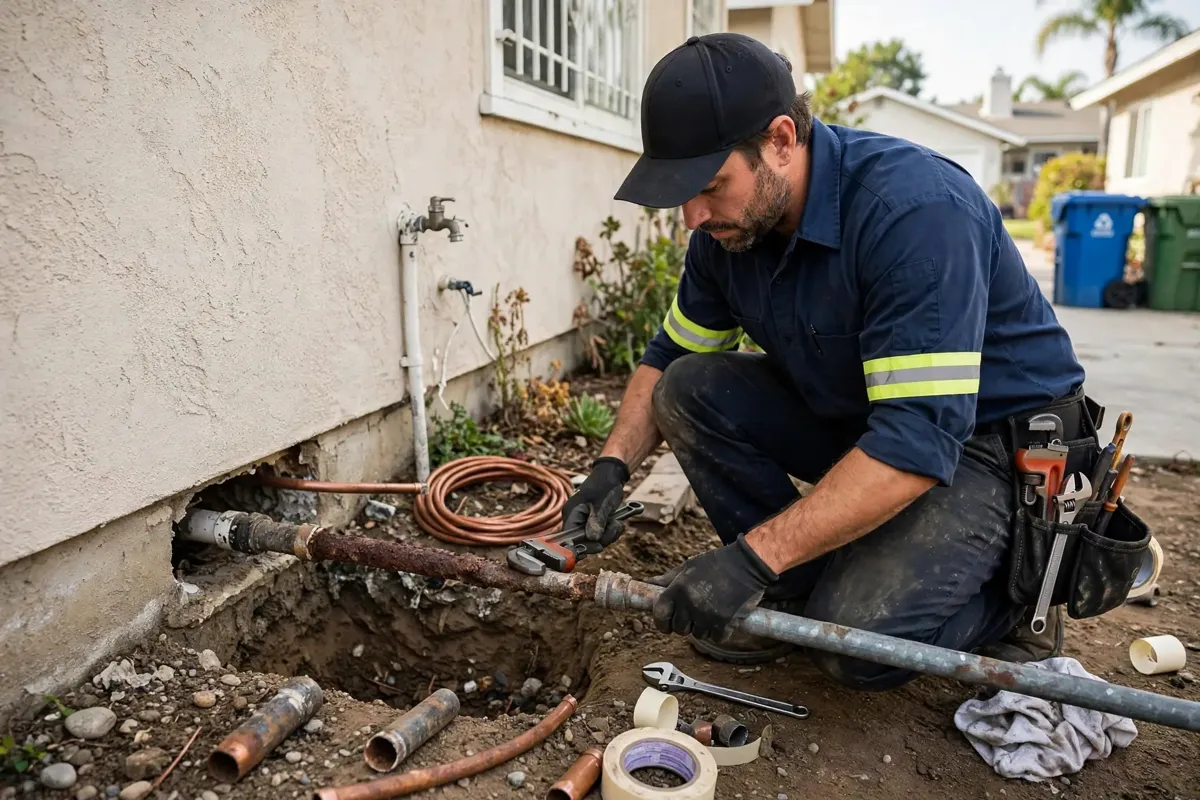
Next comes the honest options talk. Sometimes the right answer is a contained repair in sound copper or newer pipe. Sometimes the failed section is original galvanized, and we will show you the corrosion we cut out so you can see why we recommend replacing the run. You decide with the evidence in front of you.
After the repair, we restore water slowly, bleed air from the lines, and check every nearby joint under full pressure. We also test the fixtures on that run and note the condition of the rest of the exposed system, so you leave the visit knowing what is solid, what is aging, and what deserves a plan.
Cast Iron Drains and Sewer Lines in Older Gardena Streets
Gardena drains from the postwar era are mostly cast iron inside the home, transitioning to clay or cast iron sewer laterals that run to the street. Cast iron fails from the inside out, scaling and rusting until the smooth channel becomes a rough trough that catches paper and waste. The result is the classic pattern of drains that clog again months after each clearing.
Tree roots compound the problem in the lateral. Gardena streets carry mature trees, and roots find the joints of older clay and iron laterals, growing into the line and trapping everything that passes. Hydro jetting cuts roots and scrubs the pipe walls, and a camera pass afterward shows whether the pipe itself is still sound or has cracked.
Redondo Beach Boulevard to the City Edge: Gardena Coverage
We serve all of Gardena across ZIP codes 90247 to 90249, from the neighborhoods around Rowley Park and Mas Fukai Park to the homes near the Redondo Beach Boulevard casinos and the commercial corridors along Western Avenue and Vermont Avenue. North Gardena streets toward Los Angeles and the southern blocks near Torrance are equally on our route.
Gardena is compact, which works in your favor: most addresses sit a short drive from our Carson base and from neighboring calls. When you phone (123) 456-7890, tell us your cross streets and what the water is doing, and we will match you to the nearest crew with the right materials aboard.
Rentals and family properties are a big share of Gardena housing, and we are glad to coordinate with owners, tenants, or property managers on access. Whoever meets us at the door, the process is the same: control the water, show the evidence, explain the options, and complete the repair we agreed on.
Replacing Galvanized Lines With Modern PEX in Gardena
For Gardena homes still running full galvanized systems, PEX repiping is usually the turning point. Flexible PEX tubing replaces the corroded network with lines that resist scale and internal rust, and runs can be fished through walls and attic spaces with limited opening of finished surfaces. Water pressure typically improves the moment the narrowed old lines leave service.
A repipe also settles the valve problem in one pass. New shutoff valves at fixtures, a new main valve arrangement, and clean connections at the water heater mean the next small repair, years from now, starts with hardware that actually works. We stage the work so the home is without water only during planned switchovers.
Water Pressure Trouble Signs Gardena Owners Should Catch Early
Pressure problems in Gardena homes announce themselves quietly. The shower weakens while the washing machine fills. The upstairs or far bathroom takes longer to get hot water. A toilet fill valve hisses for minutes. Each symptom points to narrowing pipe, a failing pressure regulator, or a supply line that is corroding shut from the inside.
High pressure is just as damaging as low. Pressure that spikes, especially at night when neighborhood demand drops, hammers aging galvanized joints and appliance valves. A gauge reading at an outdoor bib takes a minute and tells us which direction your system is failing, so the fix targets the cause instead of another symptom.
If pressure has changed noticeably in your Gardena home over the past year, that change itself is the warning. Pipes do not heal, and gradual decline ends in a sudden burst more often than it levels off. Call (123) 456-7890 and describe what you are seeing, and we will check the system before the weak point chooses its own moment.
Keeping Older Gardena Plumbing Alive a Little Longer
Not every Gardena home needs a repipe this year, and honest maintenance stretches the life of the plumbing you have. Exercise shutoff valves a few times a year so they move when it matters. Drain a few gallons from the water heater to clear sediment. Peek under sinks monthly for the green crust or dampness that marks a fitting starting to weep.
Above all, treat new leaks as information. One pinhole in a galvanized system is the pipe reporting its overall condition, and a visit that maps the whole system turns a surprise into a plan. We would rather help you schedule a repipe on your timing than meet you during a flood on the pipe timing.
A Burst Pipe at Night in Gardena: What to Do Before We Arrive
Night bursts in Gardena homes follow the same rules as daytime ones, with one advantage: the city is quiet, streets are clear, and our crews move fast. Your part is the first five minutes. Close the main valve, usually near the front of the house or by the water heater, and open the lowest faucet in the home to drain the lines down.
While the lines drain, walk the home with a flashlight rather than the ceiling lights if water is near fixtures or outlets. Note where the water is traveling: under a wall, across a floor, down from a ceiling. Buckets and towels at the travel path protect flooring, and moving stored items in the garage or laundry area saves the belongings that water usually claims first in Gardena postwar floor plans.
Call (123) 456-7890 with your cross streets and a short description, and mention if the shutoff valve would not close, because that changes our first step to the meter. Then wait with the water off and the faucets open. Homeowners sometimes reopen the valve to brush teeth or fill a kettle; in an aging galvanized system that second pressure cycle is often what turns a leak into a full burst.
Strawberry Park and Moneta: Gardena Neighborhoods with Deep Roots
Before the tracts, Gardena Valley was farmland, famous for strawberries and the Japanese American farming families who worked them. The Strawberry Park and Moneta neighborhoods carry that layered history in their street patterns and their housing, a mix of older farmhouses, postwar builds, and later infill that gives these blocks a plumbing variety unusual for such a small city.
Farm era homes and their outbuildings were plumbed simply, and later houses tied into whatever already existed, so a single property can hold three generations of pipe. We find galvanized from the first build, copper from a mid century update, and modern lines from a recent kitchen, all connected. Sorting that out takes tracing, not assuming, and Gardena rewards the patience.
The valley soil and mature trees add the outdoor half of the story. Deep roots from old street and yard trees work the clay laterals under these neighborhoods, and irrigation history means buried lines sometimes run where no plan shows them. A camera inspection and a careful yard read belong in any major Gardena plumbing decision in these blocks, and we build both into the visit.