What a Drain Snake Actually Does
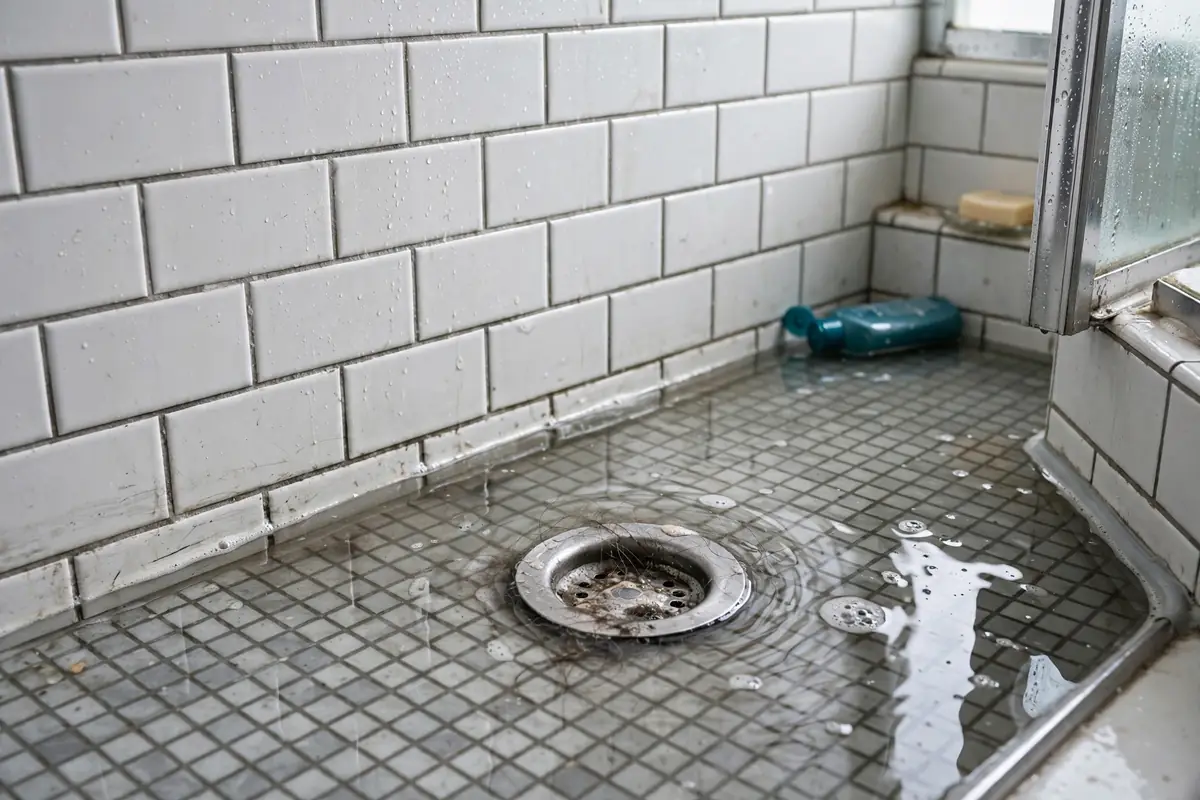
A plumber's snake, or auger, is a flexible cable with a cutting or retrieving head that is fed through a drain or sewer cleanout and rotated through the blockage. It is very good at what it is designed for: grabbing a wad of hair, pulling back a lost object, or boring a passage through a soft clog so water flows again. Its limit is geometry. The cable follows the easiest path through the clog, often opening a hole only its own width, and it barely touches the grease film, soap buildup, and scale coating the pipe walls around the blockage. Flow returns, sometimes for a long time, but the buildup that caused the clog is mostly still there, already narrowing the passage again.
How Hydro Jetting Cleans the Whole Pipe
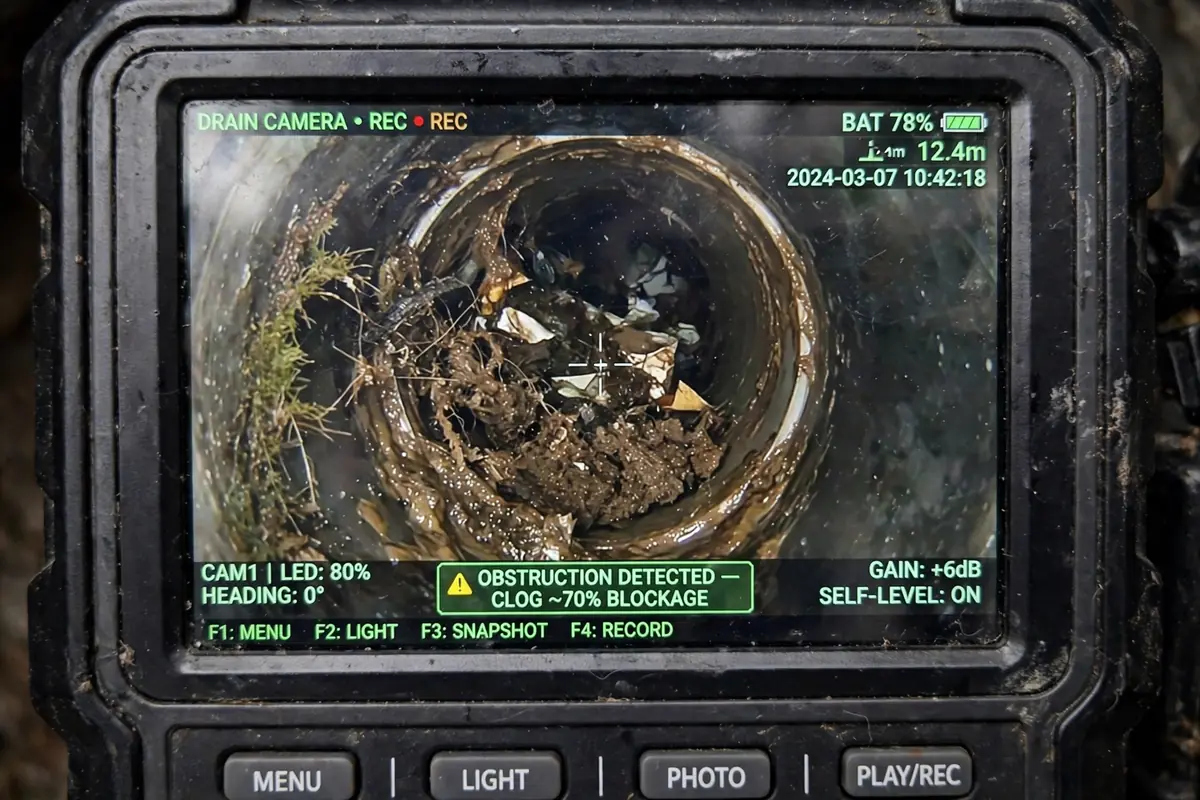
Hydro jetting sends a specialized hose with a multi direction nozzle into the line and blasts it with high pressure water. Rear facing jets pull the hose forward and scour the pipe walls while a forward jet breaks up the obstruction ahead. Done correctly, jetting strips years of grease, food residue, mineral scale, and even fine tree root hairs from the full circumference of the pipe, restoring it close to its original diameter. That is the key difference from snaking: jetting is cleaning, not just hole punching. It is the standard approach for restaurant grease lines, recurring residential clogs, and sewer mains with root intrusion, and it is paired with a camera inspection so the operator knows what is in the pipe before choosing pressure and nozzle.
Choosing Between Them for a Kitchen, Bath, or Main Line
The right tool depends on the drain and the history. A bathroom sink clogged with hair, or a toilet blocked by one unfortunate object, is a snaking job: quick, targeted, done. A kitchen line that clogs every few months despite careful use has a grease coated interior that a cable cannot fix, and jetting is the honest answer. For the main sewer line, recurring slowdowns, gurgling, or roots found on camera all argue for jetting, because restoring the full diameter is what buys real time between services. PVC drain lines in good condition handle jetting well. Fragile, cracked, or collapsing pipe is a different case: no cleaning method fixes broken pipe, and the camera inspection is what separates a cleaning job from a repair job.
Why Chemical Cleaners Are Not a Third Option
Pour in drain cleaners promise the ease of snaking and the thoroughness of jetting and deliver neither. They react mainly with the material touching them, often pooling on top of a clog and eating a small channel through it, while generating heat that can soften PVC joints and corrode metal traps. They are also a hazard to whoever later opens the pipe, since caustic residue sits in the line. Most stubborn clogs in Carson homes are grease, scale, roots, or a failing section of old cast iron, none of which a chemical can remove from the pipe wall. If a bottle worked temporarily, it opened a hole. The buildup remains, and the clog calendar simply resets.
A Sensible Plan for Recurring Clogs
If a drain clogs once, clear it. If it clogs again on the same line, investigate it. A camera inspection through the sewer cleanout or the fixture drain shows whether the cause is buildup, roots, a sagging section holding water, or damaged pipe, and that picture decides between snaking, hydro jetting, and repair without guesswork. Homes near mature street trees in Carson, and older homes with original cast iron drains, benefit from knowing the line's condition before a holiday gathering turns a slow drain into a backup. Carson Pipe Pros at (123) 456-7890 can inspect the line and recommend the method that matches what the camera actually sees.
Between services, habits matter more than products. Scrape plates into the trash instead of the disposal, never pour cooking grease into the sink even with hot water running, and use strainers in tub and shower drains to catch hair before it mats with soap residue. These small routines slow the buildup that both snaking and jetting exist to remove, and they stretch the time between cleanings on any line, old or new.
Questions About Drain Cleaning vs Snaking
How can I tell if my older pipes can handle hydro jetting?
Look at how the line behaves first. Cast iron that still drains, holds no standing sewage, and shows no collapsed scale on a camera run usually jets well at a reduced pressure setting. The camera check comes first on every older line, and if the pipe wall looks thin or cracked, snaking or repair is the safer call. Ask to see the camera footage either way, because it settles the question with evidence instead of opinion.
Why did my drain clog again right after snaking?
Snaking opens a passage through the clog but leaves buildup on the walls. The remaining grease and scale catch debris quickly, so the clog reforms.
Can hydro jetting remove tree roots?
Jetting cuts and flushes out root masses effectively. If roots are entering through cracked joints, the joint damage itself may also need repair to slow regrowth.
How often should a main sewer line be cleaned?
There is no universal schedule. Lines with known roots or grease history often get preventive cleaning on a regular cycle set after a camera inspection.