
Utility bills are blunt instruments, but they are honest ones. When a Carson water bill jumps and your household did nothing different, this guide explains where that water most likely went, the checks that separate a real leak from a bad read, and when a big bill means water is escaping right now.
An unusually high water bill with no change in your habits usually means water is leaving your system somewhere unseen: a slab leak, a main line crack, an irrigation break, or a toilet that runs around the clock. Billing errors and estimated reads do happen, so the first step is proof. Read your meter, note the numbers, avoid water for two hours or overnight, and read it again. Any movement with the house at rest confirms a leak. Call (123) 456-7890 and we will trace where it is going.
Most leaks do not introduce themselves with a flood. They start as a pinhole under a slab, a crack in a yard line, a toilet flapper that stopped sealing, and they run quietly for weeks in places nobody looks. The first witness is almost never a stain or a sound. It is the water bill, arriving with a number that makes you recheck your memory: no guests, no new garden, no pool. The meter, though, counted every gallon, and meters are very hard to argue with.
Read the bill closely before you panic or pay. Look for the usage figure in gallons or units and compare it with the same month last year rather than last month, because irrigation seasons swing normal use widely in the South Bay. Check whether the bill says the read was actual or estimated; estimated bills correct themselves on the next true read and can spike or dip without any leak at all. If the usage is real and the jump is large, treat the bill as a diagnosis waiting for a location.
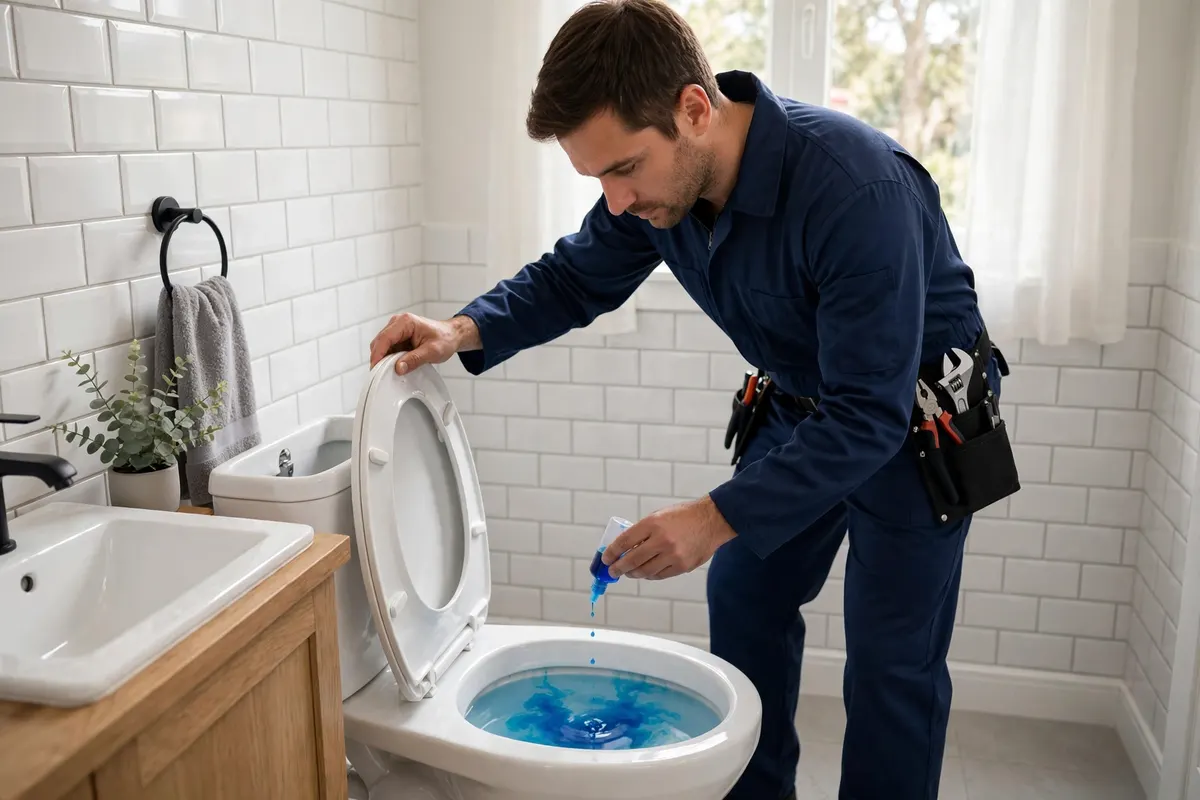
The running toilet is the champion of silent waste. A flapper that no longer seals lets the tank drain into the bowl continuously, and the fill valve replaces the water in a cycle that can run day and night without ever making a puddle. It is the one leak that can rival a family's entire normal use while staying completely invisible, which is why toilets are the first suspects in any bill investigation.
Underground losses come next. A slab leak sends treated water into the soil beneath your home around the clock, often announced only by the bill and, later, a warm patch of floor. A main line crack between the meter and the house waters the front yard from below. Irrigation systems leak in their own stealthy ways: a broken lateral that only flows on watering days, a valve that seeps continuously, a cracked fitting under a planter.
Equipment finishes the list. A water heater relief valve can weep into its drain line for weeks. A softener stuck in regeneration pours water straight to a drain. A hose bib or pool fill valve left part open does quiet, constant damage to the total. Each suspect has a simple isolation test, and the checks below run through them in the order a plumber would.
First, verify the meter against the bill. Find the read printed on your statement, read the meter itself, and confirm the numbers roughly agree once you account for use since the read date. A wildly different meter face means a billing or reading error, and your next call is to the water utility, not a plumber. Utilities do misread, and catching it here saves everyone a wild goose chase.
Second, run the stillness test. Note the meter reading, then give the house a true rest: two hours minimum, overnight if you can, with no flushing, laundry, ice making, or irrigation. Read the meter again. Any change means water left the system while nothing was using it, which is the definition of a leak. Note whether the house shutoff valve changes the result, as that splits the search between the yard side and the house side of the system.
Third, dye the toilets. A few drops of food coloring in each tank, then wait twenty minutes without flushing. Color appearing in the bowl means that toilet is leaking past its flapper, full time. It is the cheapest test in plumbing and it convicts the single most common cause of mystery bills. Run irrigation zones one at a time afterward, watching for heads that gush, sink, or turn their patch of soil to mud.
A bill spike alone is a scheduled investigation. A bill spike with company is urgent. If the higher bill arrives together with a meter that spins briskly at rest, soggy ground, a warm floor, or the sound of running water in the walls, you are not looking at a slow seep. You are looking at an open loss that is charging you by the hour and soaking soil or structure while it runs.
In that case, close the main valve until the visit, note the meter reading before and after closing it, and call (123) 456-7890 the same day. Keep the bill and your notes; the timeline they establish helps the utility too if you later ask about a leak adjustment on the charges. Many South Bay water providers review unusually high bills once a leak is documented and repaired, though the paperwork starts with proof the leak existed and was fixed.
Our investigation starts at the meter, because the meter is the one witness that cannot exaggerate. We confirm the loss rate at rest, then isolate zones: house from yard, irrigation from house, hot lines from cold. A system that loses water only on the hot side points under the slab or at the water heater. A system that loses with the house closed points at the main or the irrigation. Each isolation halves the search area.
Once the zone is known, acoustic listening and pressure testing converge on the spot, the same process we use for our pipe leak detection work. The repair that follows is sized to the finding: a flapper and fill valve, a section of main line, a slab reroute, or an irrigation lateral renewed. You get the findings and the readings in writing, which serves both the repair decision and any conversation you have with the water utility about the bill that started it all.
Straight answers before you call.
Describe what your pipes are doing and we will point you to the right next step.
Call (123) 456-7890Far more than intuition suggests. A toilet that seeps past its flapper refills itself around the clock, and a badly worn seal can pass water continuously at a rate that rivals everything else the household uses. It is the only common leak that can double a bill while leaving every floor dry, which is why the dye test comes early in any investigation.
Most likely underground or inside a fixture. Slab leaks and main line cracks lose water into soil where it may never surface. Irrigation laterals lose it on watering days. Toilets lose it silently into the bowl. The stillness test at the meter proves the loss exists, and zone isolation then tells us which third of the system to search.
Yes, and the check takes two minutes. Compare the read printed on your bill with the numbers on the meter face today, allowing for normal use since the read date. If the meter itself shows less than the bill claims was used, call the utility first. If the meter agrees with the bill, the water really went through it, and the search moves to your system.
Do the ten minute meter comparison first. A mismatch between the bill and the meter face belongs to the utility. A meter that confirms the usage, or that moves while your house is at rest, belongs to a plumber, because that is a leak being measured in real time. Either way, keep the bill; both conversations go better with it in hand.
Yes, because leaks do not keep office hours. A modest seep running twenty four hours a day for a full billing cycle adds up to a startling total, and pressurized leaks tend to grow as water erodes the opening. The bill reflects time as much as size, which is why a small leak found early is a small repair and a small bill found late is neither.
One lush, soggy patch in an otherwise dry yard usually sits almost directly on top of a leaking underground line.
A brown ring, bubbling paint, or a drip from above almost always traces back to water escaping in the floor or pipes overhead.
Hidden leaks found with acoustic and thermal equipment, no guesswork.
Burst pipes shut off, located, and repaired fast, day or night.
A leak charges you every hour it runs. Call now and we will find where your water is going.
Call (123) 456-7890