How Copper Performs in South Bay Homes
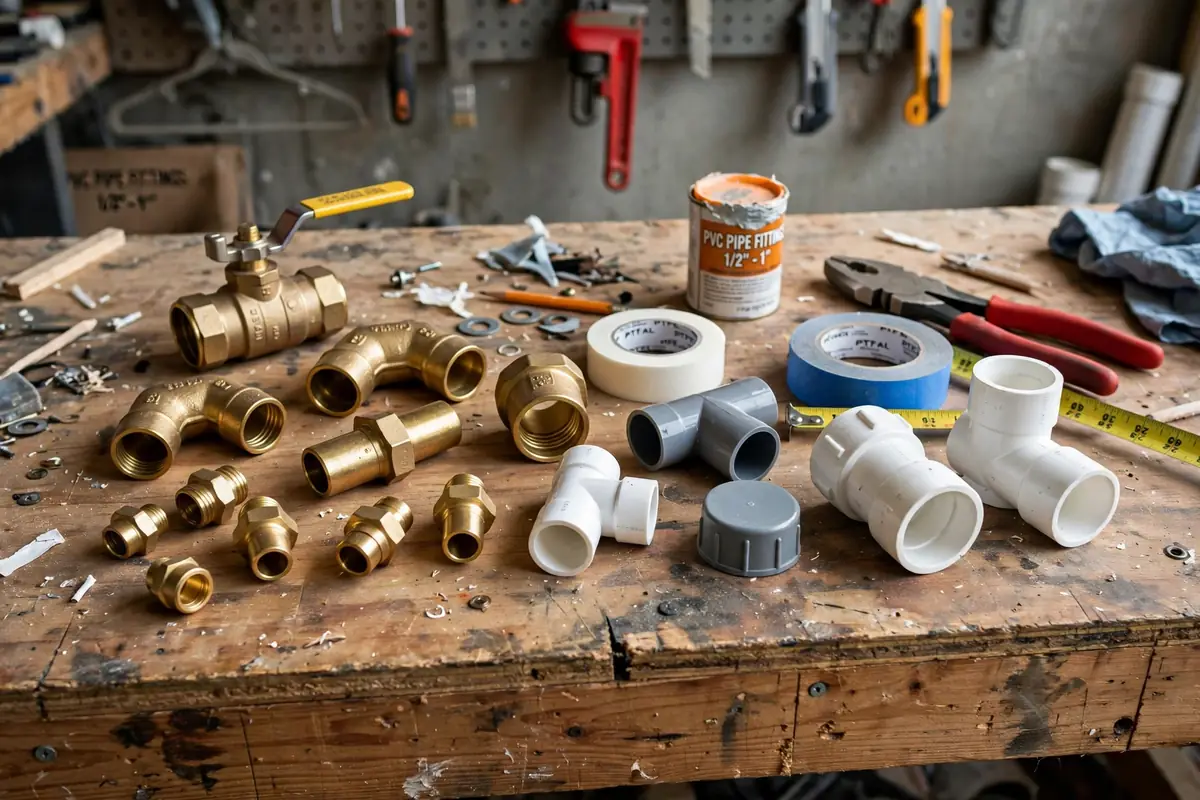
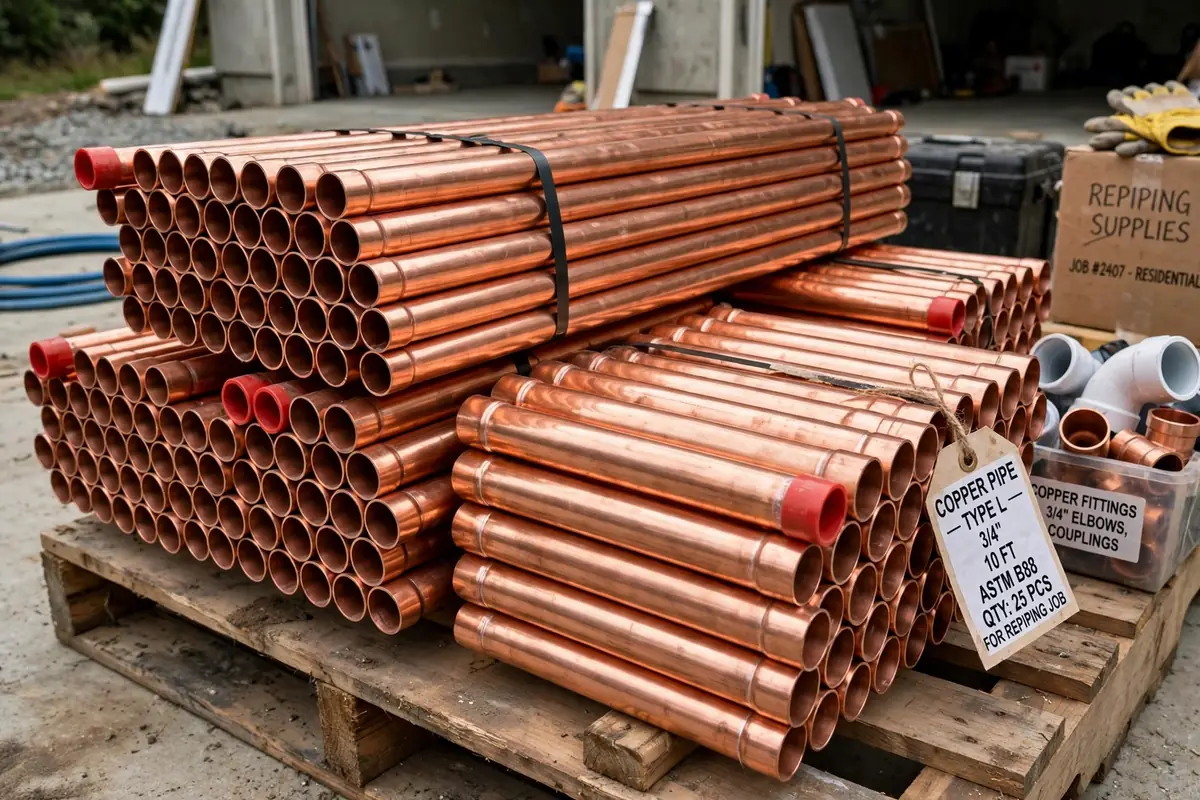
Copper has been the default supply line material for generations, and much of Carson still runs on it. It is rigid, which means runs are straight and well supported, it tolerates high water temperatures without complaint, and it does not degrade in sunlight, which matters for exposed garage runs. Its weaknesses show up slowly in this region: hard water gradually builds scale inside the pipe, narrowing flow over decades, and certain water chemistry can cause pinhole leaks in aging copper, often the first sign that a whole run is thinning. Copper joints are soldered, so every fitting is a careful, skilled connection. When copper is healthy it lasts a very long time. When pinholes start appearing in one section after another, repiping stops being optional.
Why PEX Has Taken Over Repiping
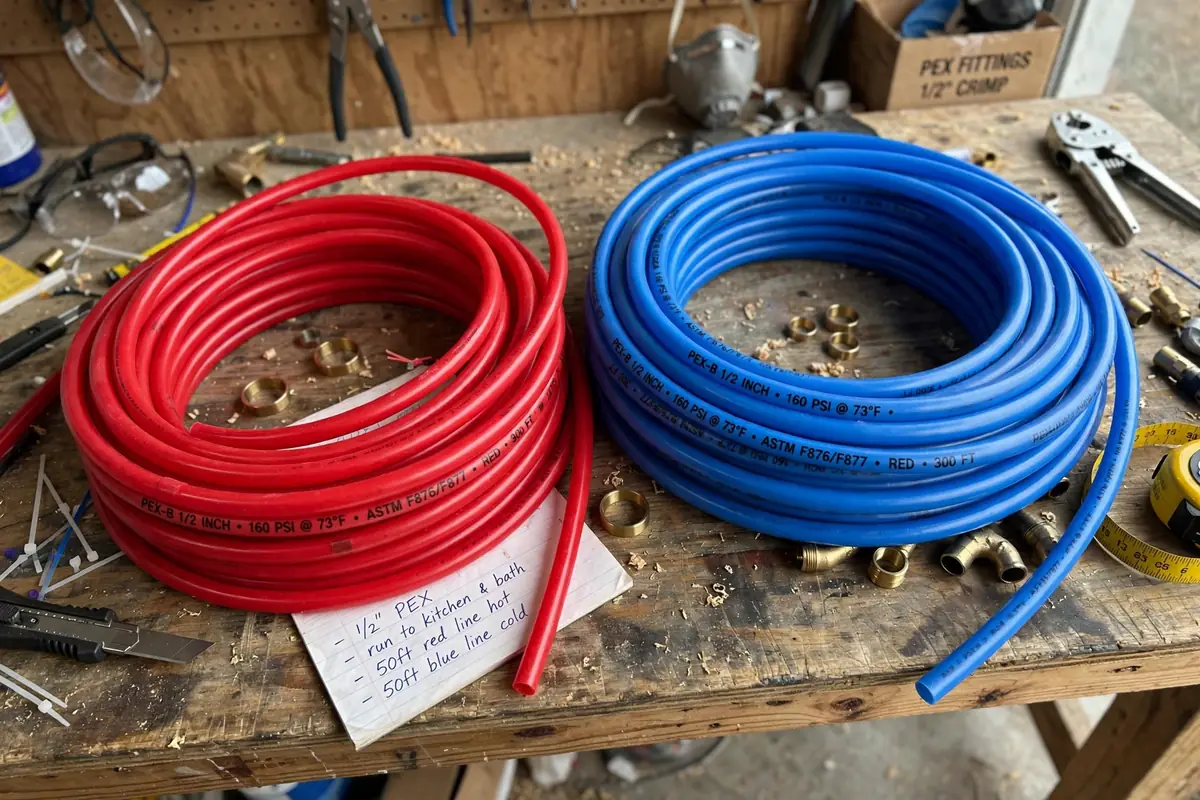
PEX is a flexible plastic tubing that bends around corners, which means long continuous runs with far fewer fittings hidden inside walls, and fewer fittings means fewer potential leak points. Installation is faster and quieter because there is no soldering, and the pipe expands slightly rather than splitting under pressure surges. PEX also resists the scale buildup that hard water leaves inside copper and galvanized pipe, so flow stays consistent. It comes in color coded coils, typically red for hot and blue for cold, which makes future tracing easy. Its limits are real but manageable: it should not sit in direct sunlight, and rodents occasionally damage exposed runs, so placement and shielding matter in garages and crawlspaces.
Galvanized and Cast Iron: The Case for Repiping at All
Many postwar Carson homes still have original galvanized supply lines, and galvanized is the material that forces the repiping conversation. It corrodes from the inside out, shedding rust into the water, losing water pressure year by year, and eventually leaking at threads and elbows. If your home has galvanized pipe, the question is rarely copper versus PEX but when, and low pressure at showers, rusty tinted water after a trip, and recurring small leaks are the usual prompts. Cast iron shows up on the drain side rather than the supply side, and aging cast iron drains are a separate evaluation, though repiping projects often inspect both while walls are open.
Layout, Access, and Water Pressure Decide the Winner
The practical deciding factors are the house itself. Slab homes often repipe by rerouting new lines through the attic and down interior walls, work where flexible PEX shines because it snakes through framing with minimal demolition. Two story homes and tight crawlspaces favor PEX for the same reason. Copper earns its place where pipes are exposed and visible, where very high heat runs near the water heater need rigid pipe, and where homeowners simply prefer a traditional metal system. Water quality matters too: aggressive water that has already pinholed one copper system is an argument for PEX, while neutral water gives copper a long second life. A good repiping plan often mixes both, copper at the water heater and exposed manifolds, PEX for the long distribution runs.
What a Repiping Project Actually Looks Like
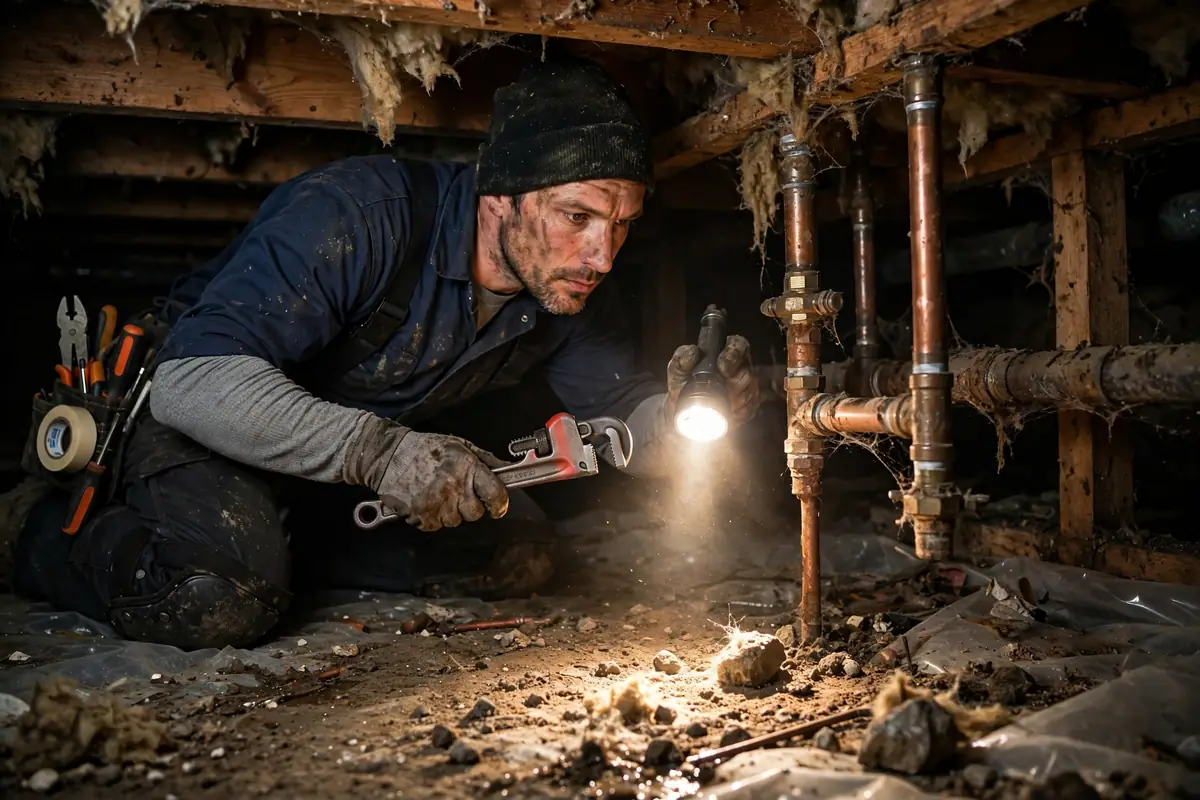
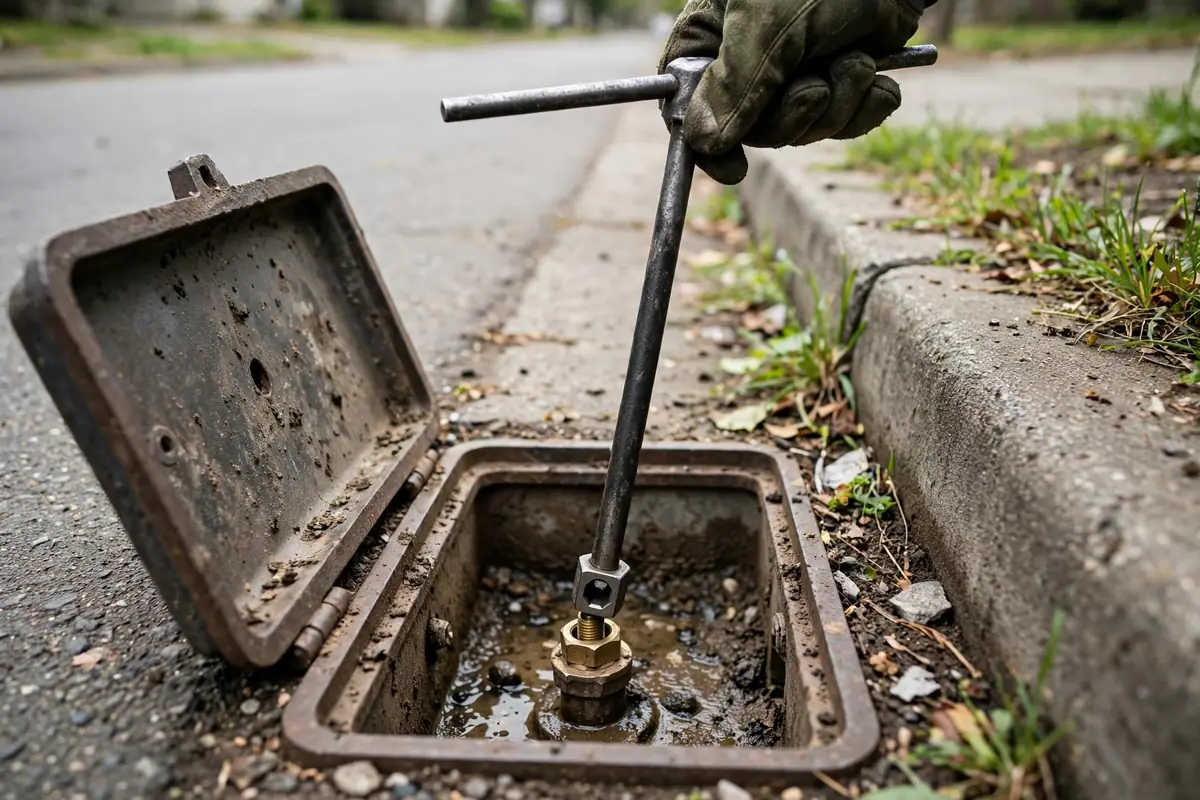
A whole home repipe replaces the supply lines from the main shutoff valve to every fixture, usually in stages that keep part of the house in service, and the water is off for defined windows rather than the whole project. Lines are pressure tested before walls close, and fixtures get new shutoff stops along the way. The wall patches afterward are modest when PEX rerouting avoids long open trenches in the slab. Expect a walkthrough first where the plumber traces your current system, including any abandoned galvanized sections, and maps the new runs. If you are weighing copper versus PEX for your Carson home, Carson Pipe Pros at (123) 456-7890 can trace the existing system and lay out both options clearly.
One more factor deserves a mention: future serviceability. A well planned repipe includes accessible shutoff stops at every fixture and a labeled main manifold where practical, so a future repair isolates one bathroom instead of the whole house. Flexible PEX manifolds make that layout easy, while copper systems achieve it with a few more fittings. Ask about it during the walkthrough, because the best time to add shutoffs and plan access is while the system is being rebuilt anyway, not during the next emergency.
Questions About Copper vs PEX
Does PEX last as long as copper?
Both materials are rated for decades of service when installed correctly. Water chemistry, sunlight exposure, and installation quality affect lifespan more than the material choice alone.
Will repiping improve my water pressure?
Usually yes, especially when old galvanized or scaled copper lines are replaced. Narrowed, corroded pipe is the most common cause of gradually declining pressure.
Can a repipe mix copper and PEX?
Yes, and it is common. Copper is often kept near the water heater and at exposed manifolds while PEX handles long runs through walls and attics.
Do I have to leave the house during a repipe?
Generally no. Water is shut off for planned windows during the work, and most homeowners stay in the home throughout the project.